The world faces an unprecedented food security challenge: a growing population, shrinking arable land, climate volatility, and supply chain disruptions. Yet at the same time, remarkable technological breakthroughs in indoor farming, precision agriculture, and smart agritech are offering real, scalable solutions. Here’s what you need to know about the state of global food security in 2025 and the innovations making a difference.
The Scale of the Problem
According to the United Nations, nearly 783 million people face chronic hunger, while one-third of all food produced globally is wasted before it reaches a plate. Traditional agriculture — which accounts for 70% of global freshwater use and produces 25% of greenhouse gas emissions — is under mounting pressure from climate change, soil degradation, and water scarcity.
In regions like the Middle East and North Africa (MENA), where Green Web Institute is actively working, up to 85% of food is imported, creating extreme vulnerability to global supply disruptions.
Indoor Farming: The Cornerstone of Food Security
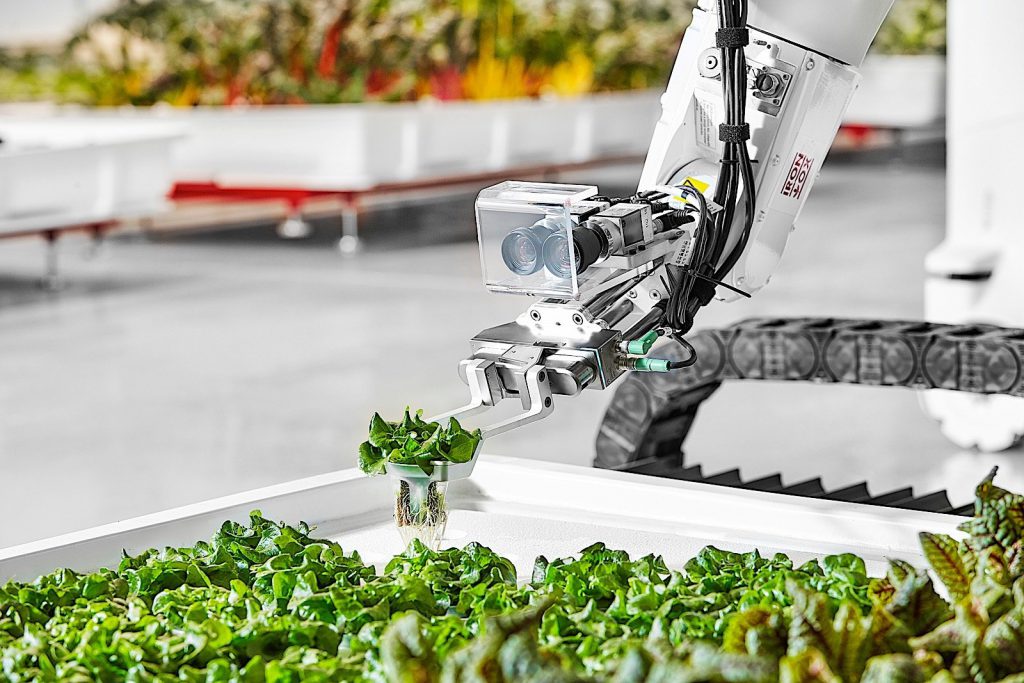
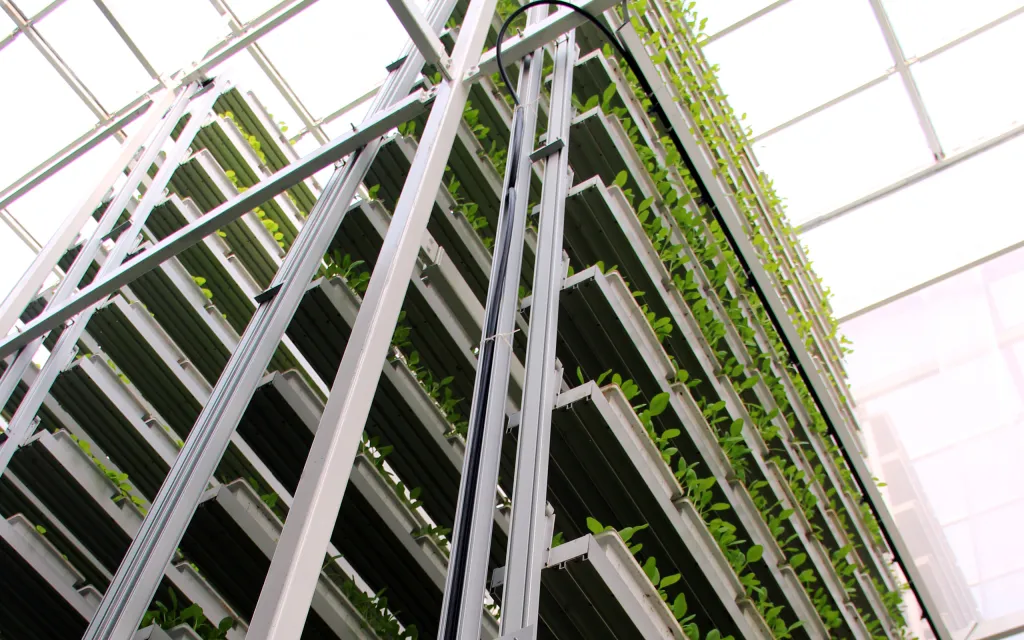
Indoor farming — including vertical farms, greenhouses, and controlled environment agriculture (CEA) — is emerging as one of the most powerful tools to address food security, particularly in urban and arid regions. Key advantages include:
- Year-round production regardless of climate or season
- Up to 95% less water than conventional field farming
- Zero pesticide use in fully controlled environments
- Hyperlocal production that dramatically reduces transport emissions and food waste
- Consistent, premium quality produce that commands higher market prices
Smart Fertilizer Technology: Feeding Plants More Intelligently
One of the biggest breakthroughs enabling indoor farming’s scalability is the development of smart fertilizer systems. Green Web Institute’s Green Spark nano-fertilizer technology exemplifies this trend — delivering precise nutrients exactly where and when plants need them, reducing fertilizer waste by up to 50% while improving crop quality and yield.
When combined with AI-driven environmental controls and real-time monitoring, smart fertilizer systems create a virtuous cycle: healthier plants, better yields, lower costs, and less environmental impact.
The Role of Technology in Building Resilient Food Systems
The most resilient food systems of the future will be those that combine multiple technological layers:
- Vertical farming to maximize production per square meter in urban environments
- Nano-fertilizer technology to optimize nutrient delivery and soil health
- AI and data analytics to monitor and manage crops in real-time
- Renewable energy integration to make operations carbon-neutral
- Blockchain and digital platforms to improve supply chain transparency
UAE and the MENA Region: A Model for Agritech Innovation
The UAE’s National Food Security Strategy 2051 and similar initiatives across the MENA region represent some of the world’s most ambitious commitments to technological agriculture. With substantial government investment and a rapidly growing agritech ecosystem, the region is becoming a global proving ground for the solutions that will feed the world’s future cities.
Green Web Institute is proud to be part of this movement — developing and deploying vertical farming, nano-fertilizer, and smart agritech solutions that help communities achieve greater food independence and sustainability.
Want to learn how Green Web Institute’s technology can contribute to food security for your community or business? Get in touch with our team today.