Food insecurity is one of the defining challenges of our era. Whether driven by climate change, conflict, rapid urbanization, or supply chain fragility, the need to build resilient, locally-based food systems has never been more urgent. For governments, international development organizations, and NGOs working to address food insecurity, Green Web Institute provides an essential partner: end-to-end food security project management powered by proven agritech solutions.
The Problem with Traditional Food Aid Approaches
Traditional food aid—distributing imported food to vulnerable populations—addresses symptoms, not causes. It creates dependency, is expensive to sustain, and collapses the moment funding or supply chains are disrupted. The 21st century demands a different approach: building the infrastructure for communities to produce their own food, using technologies that work even in the harshest conditions.
Green Web Institute’s Food Security Project Management Service
Our service is built around one principle: every community, regardless of geography or climate, deserves the technology and knowledge to feed itself. We bring the full power of smart agritech—vertical farming, nano-fertilizers, precision irrigation, and AI-driven monitoring—to food security projects at any scale.
Phase 1: Food Security Needs Assessment
We begin with a comprehensive assessment of the target community’s food security situation—evaluating current food production capacity, nutritional gaps, available resources (land, water, labor, energy), infrastructure constraints, and economic factors. This assessment becomes the foundation for all subsequent planning.
Phase 2: Technology Solution Design
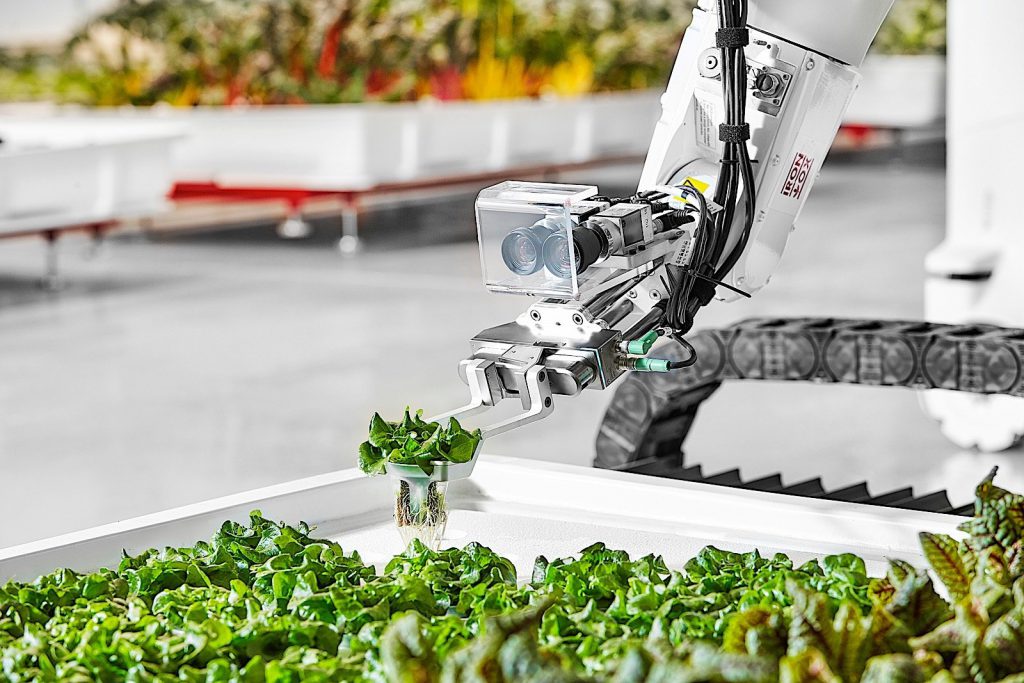
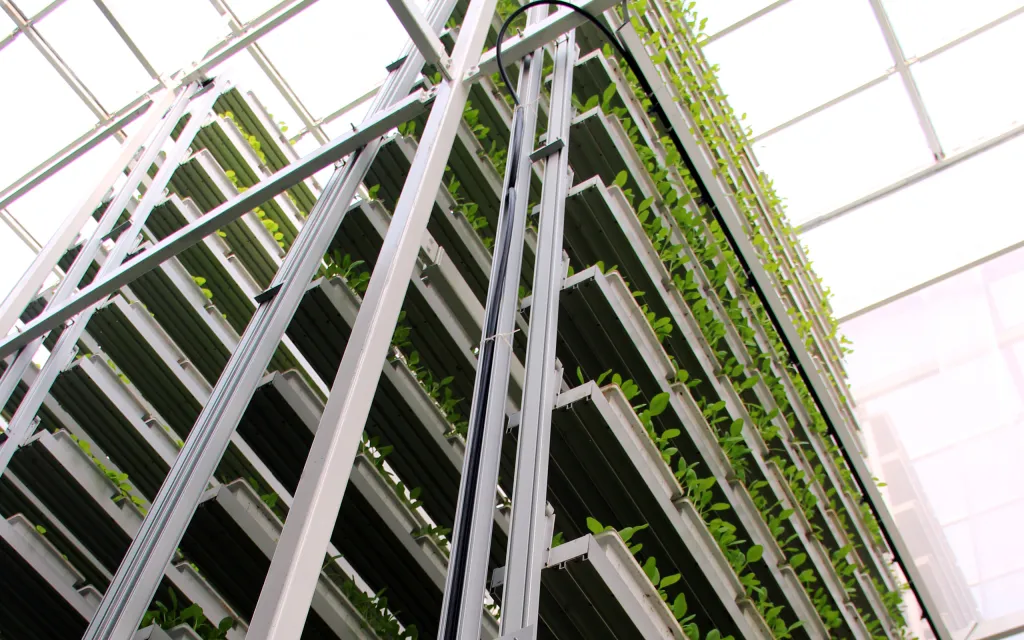
Based on the needs assessment, we design a customized technology solution. This may include container-based vertical farms for rapid deployment, community greenhouse networks, nano-fertilizer programs for existing farms, water recycling and conservation systems, or a hybrid combination of approaches tailored to local conditions.
Phase 3: Implementation Management
We manage the complete implementation process—equipment procurement, logistics, installation, commissioning, and initial operations. Our project managers ensure timelines, budgets, and quality standards are met throughout, with transparent reporting to all stakeholders.
Phase 4: Community Training & Capacity Building
Technology without knowledge is useless. We invest heavily in training local community members and agricultural staff to independently operate, maintain, and eventually expand the food production systems we install. Our goal is always complete local ownership and operational independence within 12-18 months.
Phase 5: Monitoring, Impact Measurement & Reporting
We provide ongoing monitoring and quarterly impact reports measuring: food production volumes, nutritional outcomes, cost per meal produced, water and energy consumption, economic impact (jobs created, income generated), and environmental benefits. Our reporting meets international development standards for funders and government agencies.
Our Track Record in the MENA Region
Green Web Institute has designed and supported food security projects across the UAE, MENA region, and beyond—working with municipal governments, NGO partners, and community organizations to implement indoor farming and smart agriculture solutions that genuinely transform communities’ food futures.
Partner With Us on Your Food Security Mission
If you represent a government agency, development organization, humanitarian NGO, or community initiative working to improve food security, we want to hear from you. Every project begins with a no-cost consultation and needs assessment.
Contact our project management team at info@greenweb.institute or visit our services page to begin the conversation.