When war erupts or a pandemic spreads, the first casualty—often overlooked—is food safety and security. Millions of people suddenly find themselves without access to safe, nutritious food. In 2025, with ongoing global conflicts and the lingering memory of COVID-19, the question is no longer “could this happen?” but “what are we doing about it?”
The Scale of the Crisis
Armed conflicts and pandemics share a devastating trait: they disrupt agricultural supply chains, destroy farmland, contaminate water sources, and displace farmers. The UN Food and Agriculture Organization (FAO) estimates that over 733 million people face hunger globally—and conflict is the #1 driver of acute food insecurity.
During COVID-19, global food supply chains buckled. Farms lacked labor. Borders closed. Food prices surged. The most vulnerable populations—refugees, the urban poor, conflict-affected communities—bore the brunt of these failures.
Why Traditional Agriculture Fails During Crises
Conventional outdoor agriculture depends on open land, stable weather, accessible transportation routes, and a functioning labor force. During a war or pandemic, all four pillars can collapse simultaneously:
- Land becomes unsafe or contaminated by military activity
- Supply chains break down, leaving farmers without seeds, fertilizers, or fuel
- Labor is disrupted as people flee, fall ill, or are conscripted
- Infrastructure collapses—roads, markets, electricity, irrigation systems
The Vertical Farming Solution: Growing Food Anywhere, Anytime
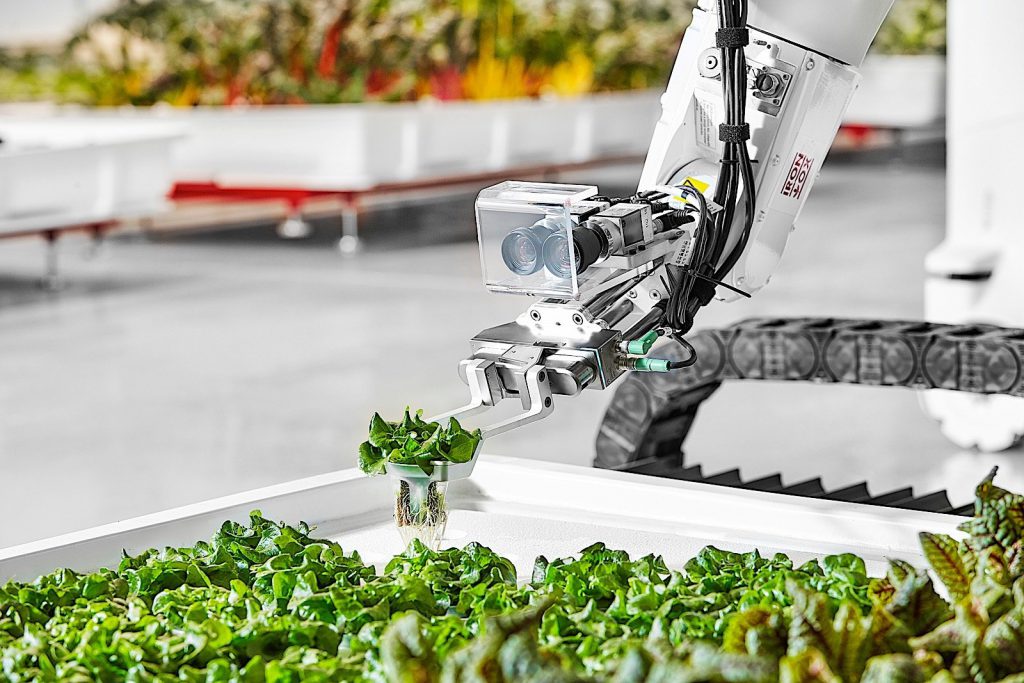
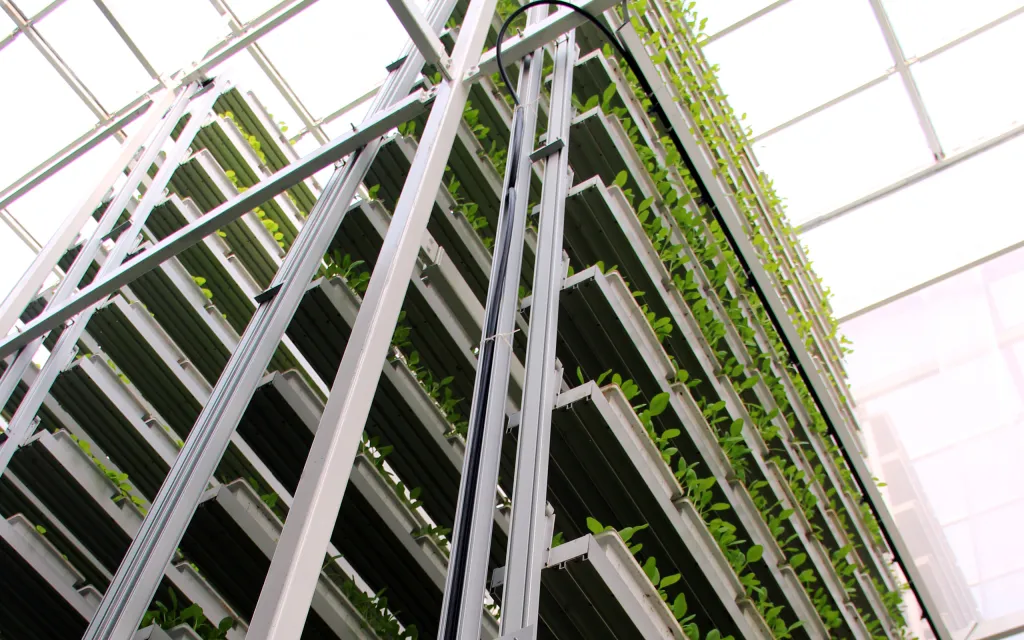
This is where indoor vertical farming and controlled environment agriculture (CEA)—the core expertise of Green Web Institute—becomes not just an innovation, but a necessity.
Vertical farms can be established in:
- Repurposed warehouses in urban centers
- Underground bunkers safe from conflict zones
- Shipping containers that can be deployed anywhere in the world within days
- Hospital or refugee camp facilities
- Schools and community centers
Unlike traditional farming, vertical farms require up to 95% less water, no pesticides, no fertile soil, and minimal land. They can produce fresh vegetables, leafy greens, and herbs year-round—completely independent of weather, season, or geopolitical disruption.
Nano-Fertilizers: Maximizing Nutrition in Crisis Conditions
When resources are scarce, every gram of fertilizer must count. Nano-fertilizers—another flagship innovation of Green Web Institute—deliver nutrients at the nano-scale, achieving:
- 80-90% absorption efficiency vs. 30-40% for conventional fertilizers
- Smaller quantities needed, reducing logistics and cost during crisis supply chains
- Faster plant growth, cutting harvest cycles and feeding people sooner
- No chemical runoff, keeping contaminated or water-scarce environments safe
Practical Steps: What Governments, NGOs, and Communities Can Do
The good news is that technology solutions already exist. The challenge is deployment, policy, and investment. Here is what can be done right now:
1. Pre-Position Container Farms in High-Risk Zones
Governments and humanitarian organizations can deploy containerized vertical farm units in conflict-prone regions before crises escalate. These units, pre-stocked with seeds, grow lights, and nano-fertilizers, can be operational within 48 hours of deployment.
2. Establish Urban Food Security Hubs
Cities are the most vulnerable during crises. Urban indoor farming hubs—integrated into existing infrastructure—can ensure continuous food production even when rural supply chains are severed. Dubai, Singapore, and several European cities already have functioning models.
3. Invest in Agritech Training and Local Capacity
Technology is only as powerful as the people who operate it. Training local communities in vertical farming and precision agriculture before crises occur builds resilience. Green Web Institute offers specialized training programs in smart agritech for exactly this purpose.
4. Create National Strategic Agritech Reserves
Just as nations maintain strategic oil reserves, governments should establish strategic nano-fertilizer and agritech equipment reserves—deployable in emergencies to sustain food production when conventional supply chains fail.
5. Leverage International Technology Partnerships
No nation can solve food insecurity alone. International technology sharing agreements—particularly around controlled environment agriculture and precision fertilizer technologies—can accelerate deployment in crisis zones. Green Web Institute actively supports these partnerships across the MENA region and beyond.
The Role of the MENA Region
The Middle East and North Africa region is uniquely positioned to lead the global food security revolution. With abundant sunshine, significant investment capital, and a growing awareness of food import vulnerability, countries in the region—particularly the UAE, Saudi Arabia, Jordan, and Egypt—are increasingly investing in indoor farming and agritech solutions.
Green Web Institute works directly with partners across the MENA region to deploy smart agritech solutions that build lasting food security infrastructure—infrastructure that remains functional even under the pressure of war, pandemic, or climate disaster.
Conclusion: Technology Is the Answer—But Action Must Come Now
Food safety and security under wars and pandemics is not an unsolvable problem. The technologies exist. Vertical farming, nano-fertilizers, AI-driven precision agriculture, and container-based food production systems give us powerful tools to feed communities in crisis.
What is needed is the political will, investment, and partnerships to deploy these solutions at scale—before the next crisis hits. At Green Web Institute, we are not waiting for the next disaster. We are building the systems that will keep communities fed, safe, and resilient today.
Ready to explore how Green Web Institute can help build food security resilience for your organization, government, or community? Contact our team today.